

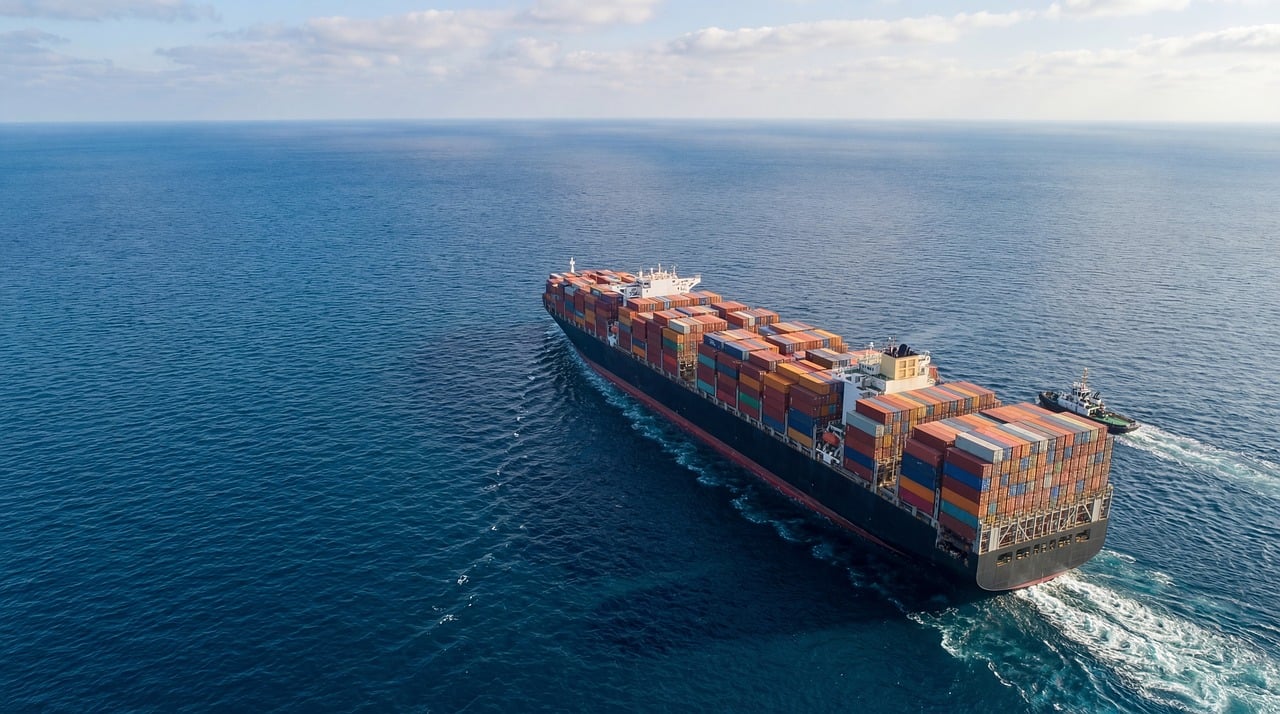
A green shipping corridor is a specific port-to-port route where governments, port authorities and sometimes carriers commit jointly to enabling zero- or near-zero-emission vessel operation — green fuel bunkering infrastructure, preferential berthing, and in some cases demand commitments from major cargo owners to use the corridor once it is operational. Several dozen such corridor initiatives have been announced globally in recent years, at varying stages of actual implementation.
These corridors are mostly still in the planning and infrastructure-building phase rather than carrying significant commercial container volume on genuinely zero-emission vessels today — the gap between corridor announcements and operational green shipping capacity remains wide, since the alternative-fuel vessels and bunkering infrastructure needed take years to build regardless of policy intent.
For most China-origin shipments, green corridors are not yet a practical routing choice the way Suez-versus-Cape is — they are a medium-term trend worth watching rather than a current booking option, since the underlying regulatory push (regional rules like the EU's, and the still-pending global IMO framework) is what will eventually make low-carbon routing commercially relevant at scale.
We track which corridors are moving from announcement to actual operational capacity, since a shipper with genuine sustainability reporting requirements (increasingly common under frameworks like the EU's CSRD) may want advance notice once a relevant corridor becomes a real booking option rather than a pilot.